What Is Lymphedema?
Lymphedema is a chronic, progressive condition that refers to the abnormal accumulation of fluid in the body’s tissues, leading to persistent swelling, often in the arms or legs, that can cause pain and discomfort. Lymphedema typically forms when the lymphatic system is damaged or malformed, such as after cancer surgery, radiation, or infection.
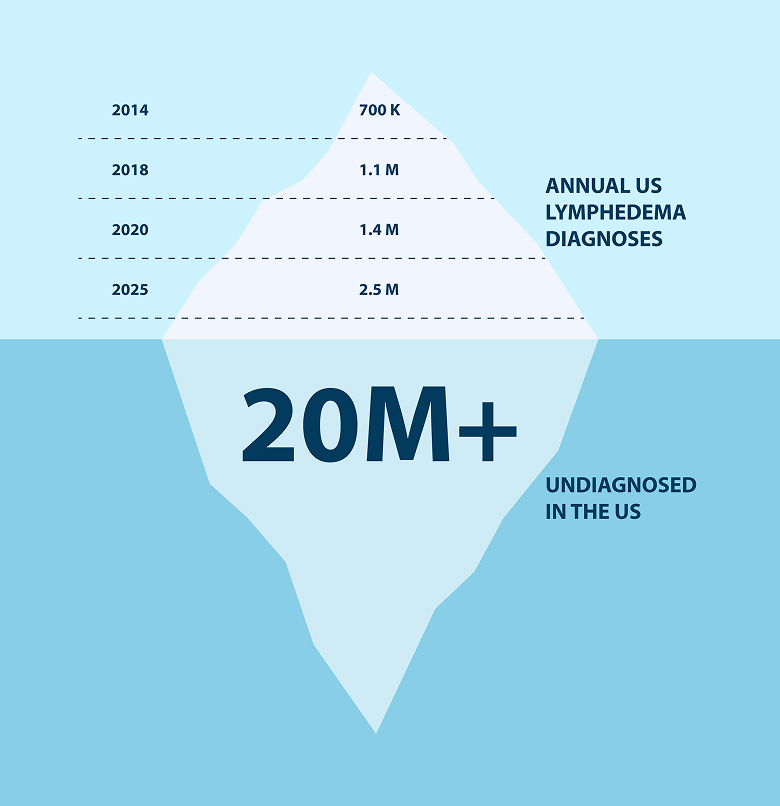
Lymphedema is more common than you think.
Lymphedema affects millions of people, but many don’t even know they have it. Often mistaken for simple swelling, this chronic condition occurs when lymph fluid builds up in the body, leading to heaviness, discomfort, and reduced mobility. While it’s frequently linked to cancer treatment, lymphedema can also develop after surgery, injury, or for reasons unrelated to cancer.
The truth is, lymphedema is far more common than most realize, and recognizing the signs early can make all the difference. With proper treatment and ongoing management, people living with lymphedema can take control of their symptoms and regain confidence in their everyday lives.
Lymphedema Causes
Primary lymphedema is caused by malformations of the lymphatic system present at birth (congenital), but symptoms may not appear until later in life, known as lymphedema tarda. Primary lymphedema can be passed from parent to child (hereditary lymphedema). Lymphedema is also classified as primary when no known cause can be identified.
Secondary lymphedema is more common. It is the result of known damage or ongoing strain to the lymphatic system, such as:
- Chronic venous insufficiency (CVI)
- Cancer treatments (removal of lymph nodes and/or radiation therapy)
- Benign or malignant tumor growth
- Trauma
Stages of Lymphedema
It is important to note that while the following lymphedema stages are commonly recognized, there may be differing levels of severity within each stage.
Stage 0
Swelling may not be apparent despite impaired lymphatic function. Symptoms at this stage may include heaviness, tightness or tingling.
Stage 1
With rest and/or elevation, the swollen limb returns to normal size. Pitting may be present. (When pressure is applied to the skin of the swollen area and released an indentation remains.)
Stage 2
The tissue can present with pitting, but often in this stage more significant skin changes are present with development of fibrotic tissue; the tissue may have a spongy feel.
Stage 3
The tissue at this stage can be hard (fibrotic). The swelling may be largely irreversible and the limb can be very large and swollen. Infections are possible at any stage of lymphedema; however, the risk increases as the stages progress.
What Does Lymphedema Look Like?
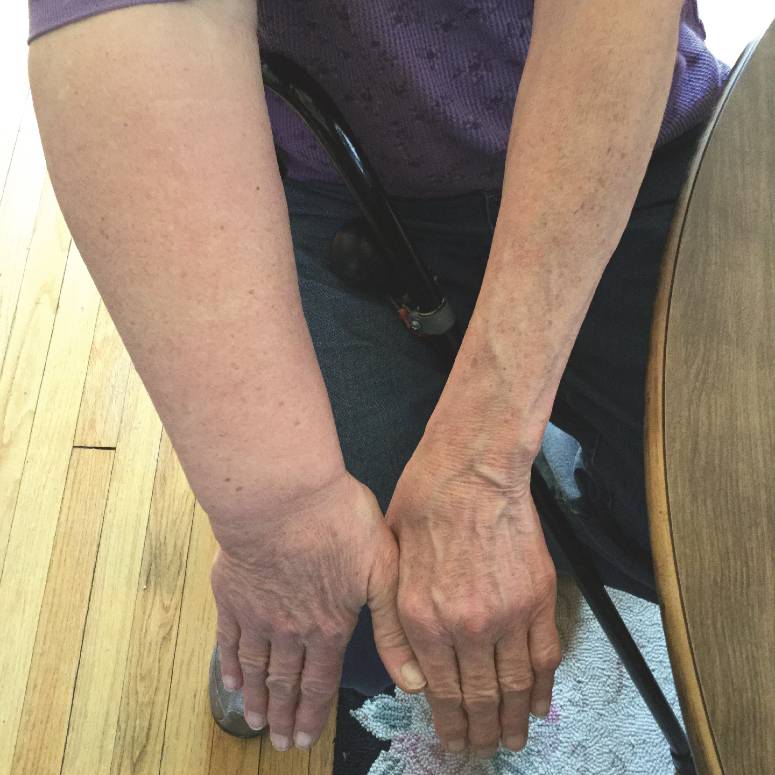
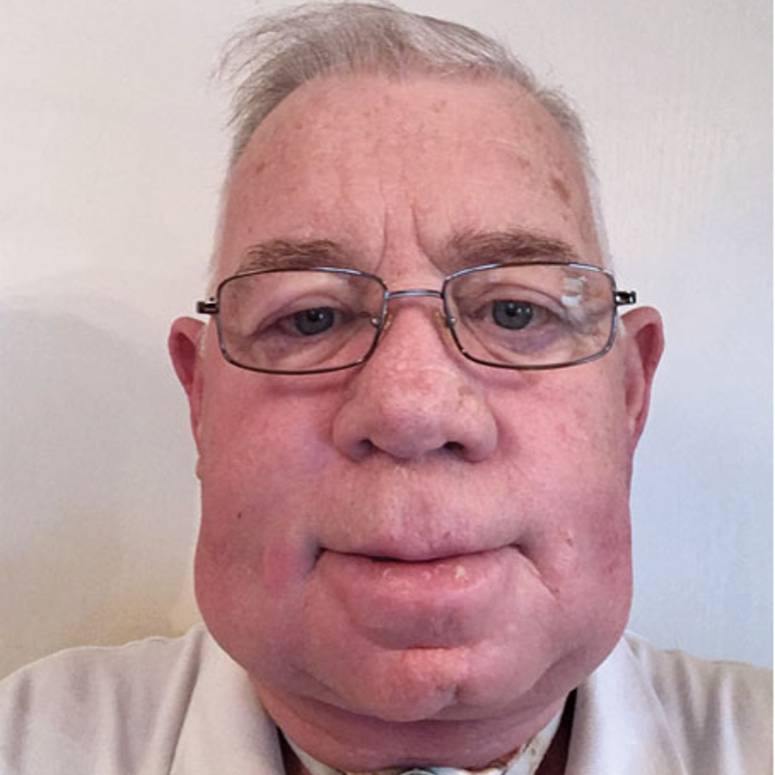
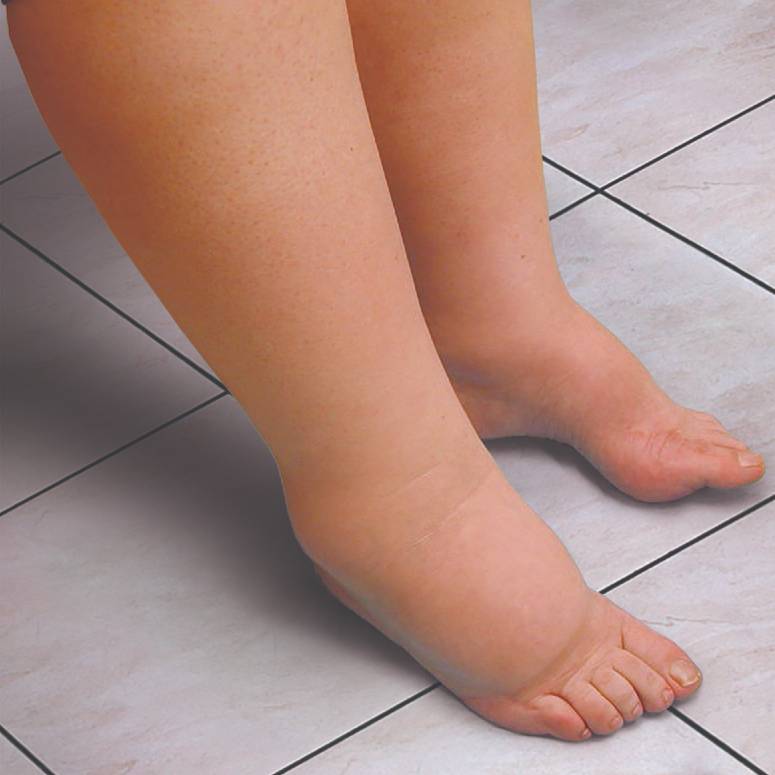
Lymphedema often begins subtly but can progress over time if left untreated. Early signs may include mild swelling or a feeling of heaviness in one limb. As the condition advances, swelling becomes more visible and the skin may change in texture or color. For example, skin may become firm or hard, known as fibrosis, and may take on a bumpy, leathery, or “orange peel” texture.
Lymphedema Signs and Symptoms
Lymphedema can look and feel different for everyone, but recognizing the early signs is the first step toward better management. Symptoms can range from mild swelling to significant changes in how your limbs feel and function. Understanding these signs can help you take action early and talk with your healthcare provider about treatment options.
Early Sensations and Warning Signs of Lymphedema
Limb Heaviness
A feeling of weight or fullness in an arm or leg is often the first sign of lymphedema.
Aching, Fatigued Limbs
Unusual aching, discomfort, or fatigue in your limbs may appear before swelling becomes visible.
Swelling (Edema)
You may notice tightness in your skin or that clothing, shoes, or jewelry feel snug on one side of your body.
Pain, Discomfort, Tightness
Lymphedema often causes persistent pain or a tight sensation in the affected area.
Visible or Physical Changes of Lymphedema
Pitting Edema
When pressed with a finger, the skin leaves a temporary indentation that doesn’t immediately disappear.
Skin Changes
Look for redness, purplish discoloration, dryness, or increased warmth over the affected area.
Fibrosis
Tissue may begin to harden or thicken over time as a result of chronic inflammation.
Stemmer Sign
A thickened skin fold at the base of the toe or finger that cannot be easily lifted can be a clinical indicator of lymphedema.
Open Wounds (Venous Ulcers)
Slow-to-heal sores, especially on the legs, may develop due to poor circulation in the limb.
Functional Limitations of Lymphedema
Decreased Range of Motion
You may find it harder to bend, stretch, or move your joints normally.
Decreased Functional Mobility
Standing, walking, or completing everyday movements may become more difficult as swelling increases.
Decreased Muscle Strength
A feeling of weakness in the affected limb can limit physical activity and independence.
Advanced or Internal Symptoms of Lymphedema
Dysphagia (Difficulty Swallowing)
Internal swelling can make it uncomfortable or hard to swallow.
Vocal Changes
You might notice changes in your voice or difficulty speaking.
Difficulty Breathing
In rare cases, internal swelling of the larynx can make it hard to breathe and requires immediate medical attention.
Lymphedema Explained
Your lymphatic system is part of your body’s immune system and controls your lymphatic circulation. Its network of tissues, vessels, and organs carries lymph fluid, nutrients, and waste materials between your body tissues and bloodstream to maintain a normal, healthy fluid balance. When this network is damaged, blocked, or underdeveloped, it can result in a buildup of fluid, resulting in lymphedema.
Watch this video to learn more.
Lymphedema FAQs
Is lymphedema preventable?
No, you can’t always prevent lymphedema, especially if it’s genetic or the result of cancer, cancer treatment, or unexpected trauma that impairs the lymphatic system. However, early monitoring, treatment, and good skin care can reduce the risk of lymphedema progressing.
What areas of the body can be affected by lymphedema?
Lymphedema most often affects the legs or arms, but can affect other areas of the body, such as the head, neck, groin, abdomen, or chest, depending on where the lymphatic system is impaired.
How is lymphedema different from lipedema?
Lymphedema and lipedema are both chronic, progressive conditions that may appear similar but differ in several important ways. Lymphedema is caused by fluid buildup from an impaired lymphatic system, and can cause swelling in nearly any part of the body, including the hands and feet. Lipedema is a loose connective tissue disorder, or fat distribution disorder, that leads to symmetrical swelling and tenderness, usually in the legs but sometimes the arms, while sparing the hands and feet.
Lymphedema has several known causes, such as genetics for primary lymphedema and conditions like cancer, cancer treatments, radiation therapy, chronic venous insufficiency, blood clots, and direct trauma for secondary lymphedema. The cause of lipedema is unknown, but it is believed to be genetic or caused by periods of hormonal change, such as puberty, pregnancy, and menopause.
GET STARTED ON A PATH TO BETTER HEALTH
Questions? Call us at 1.833.3TACTILE (1-833-382-2845)